


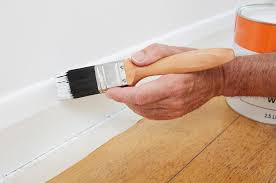
Sanding skirting boards might seem like a minor detail, but it can make a significant difference in the final look of a room. Perfectly finished skirting boards create a cohesive and professional appearance, enhancing both the space’s design and durability. Whether you’re revamping a room or preparing for a fresh coat of paint, knowing how to sand skirting boards.
This guide offers step-by-step instructions to help you achieve that smooth and polished look.
Why Sanding Skirting Boards is Worth the Effort
Taking the time to sand your skirting boards is absolutely worth it. Here’s why sanding is a crucial step in home improvement projects:
Achieves a Professional Finish
Sanding skirting boards ensures the surface is even, eliminating imperfections, dents, and previous paint drips. This creates the ideal base for painting.
Enhances Paint Adhesion
A smooth, well-prepped surface ensures paint adheres correctly. This reduces the likelihood of peeling or flaking, extending the paint’s lifespan.
Improves Durability
By creating an even and smooth surface, sanding helps the skirting boards resist wear and tear over time. A properly prepared surface ultimately results in improved longevity.
Boosts Aesthetic Appeal
Smooth skirting boards give rooms a clean, polished, and well-maintained look. It’s the subtle details that take interior design to the next level.
Now that we understand the benefits, let’s break down how to sand your skirting boards step by step.
Step-by-Step Guide to Sanding Skirting Boards
1. Gather Your Essentials
Before starting, collect everything you’ll need for the job. Gather supplies such as sandpaper of varying grits (a mix of coarse, medium, and fine), sanding blocks or an electric sander, a dust mask, goggles, a brush, a vacuum cleaner, and a damp cloth. These tools will ensure efficiency and safety throughout the process.
2. Prepare the Area
Proper preparation is key. Move furniture away from the workspace and cover the floor using a drop cloth to minimize mess. Clean your skirting boards with a damp cloth to remove dirt, grime, and dust. This helps the sandpaper glide smoothly and ensures no debris interferes with the process.
3. Start with Coarse Sandpaper
If the surface has old paint, varnish, or significant imperfections, start with coarse sandpaper (such as 60-80 grit). Work in manageable sections, keeping your sanding strokes steady and following the direction of the grain. For skirting boards with intricate designs, fold the sandpaper to reach the more intricate crevices.
4. Focus on Smoothing the Surface
After tackling rough patches, move to medium-grit sandpaper (100-120 grit) to even out the surface. This step smoothens any rough edges left by the coarse sanding and prepares the surface further for fine sanding.
5. Finish with Fine Sandpaper
For a perfectly smooth finish, use fine sandpaper (180-220 grit). This step ensures the skirting boards are free of scratches and ready for painting or staining. Use a gentle touch to achieve that flawless texture.
6. Clean Thoroughly
Once sanding is complete, clean the skirting boards thoroughly. Vacuum any dust from the surrounding area and use a damp cloth to wipe down the boards. This ensures the surface is spotless and ready for the next stage of your project.
