


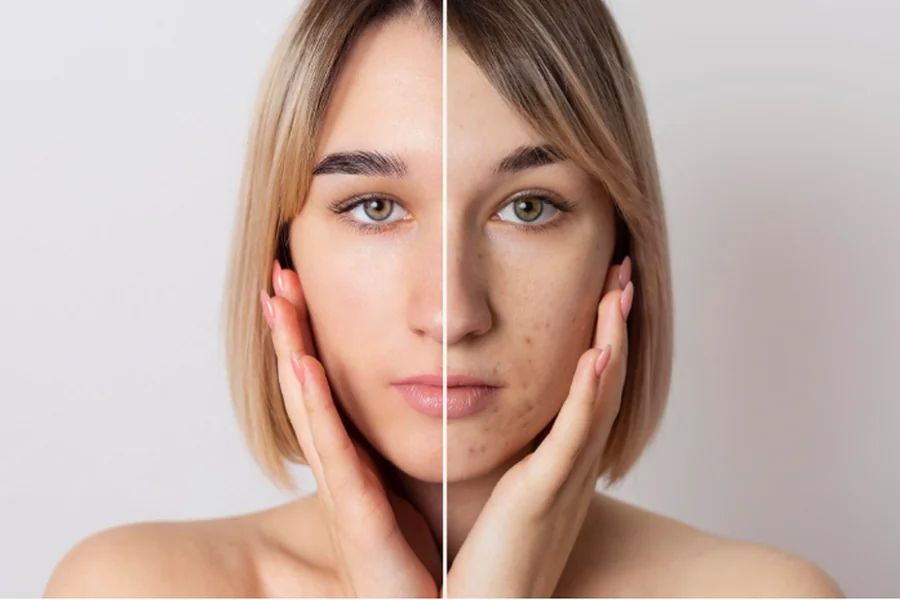
Clear, even-looking skin is something many people hope to maintain, but pigmentation concerns can make the complexion appear tired, uneven, or older than it really is. Melasma, freckles, sun spots, and dark patches are common skin issues that affect people of different ages and skin types. While they may look similar at first glance, each condition can have different causes and may require a different approach.
In modern aesthetic care, treating pigmentation is no longer only about making the skin appear brighter. It is about understanding why discoloration happens, how deeply it sits within the skin, and what kind of treatment plan can support long-term improvement without damaging the skin barrier.
Why Pigmentation Appears on the Skin
Pigmentation occurs when the skin produces excess melanin, the natural pigment that gives skin its color. Melanin is part of the body’s protective response, especially against sun exposure. However, when melanin production becomes uneven or overactive, dark spots and patches can appear.
Sunlight is one of the most common triggers. Ultraviolet rays can stimulate pigment cells and make existing spots darker. This is why pigmentation often becomes more noticeable after outdoor activity, travel, or years of accumulated sun exposure.
Hormonal changes can also contribute to melasma, especially in women. Pregnancy, hormonal medication, and certain internal changes may influence pigment production. Genetics, inflammation, acne marks, heat, and unsuitable skincare products can also play a role.
Because pigmentation has many possible causes, using only a brightening cream may not always be enough.
Melasma Is Different from Ordinary Dark Spots
Melasma is one of the more challenging forms of pigmentation because it can be deeper, more persistent, and more likely to return. It often appears as brown or grayish-brown patches on the cheeks, forehead, upper lip, or nose. Unlike simple sun spots, melasma may be linked to both external and internal triggers.
This is why melasma often needs a careful and consistent approach. Aggressive treatment may irritate the skin and sometimes make the condition worse. A good treatment plan should focus on reducing excess pigmentation while protecting the skin from further stimulation.
People dealing with melasma should also understand that improvement may take time. The goal is not only to lighten visible patches, but also to help reduce the factors that keep triggering them.
Why Basic Skincare Has Limits
Daily skincare is important for maintaining skin health. Sunscreen, gentle cleansing, moisturizers, and brightening ingredients can all support the skin. However, pigmentation that sits deeper in the skin may not respond well to surface-level care alone.
Some products may help with mild dullness or recent dark marks, but stubborn melasma and long-term pigmentation often need professional assessment. In some cases, using strong products without proper guidance can lead to irritation, sensitivity, or post-inflammatory darkening.
This is why many people choose to consult an aesthetic clinic when pigmentation becomes difficult to manage. Professional care can help identify the type of pigmentation and recommend a more targeted solution.
The Role of Advanced Pigmentation Treatments
Modern pigmentation treatments often use advanced technology to target excess pigment more precisely. Depending on the condition, treatment may focus on breaking down pigment, calming skin inflammation, supporting skin renewal, or preventing further darkening.
For people searching for professional options related to รักษาฝ้า กระ, the key is to choose a treatment plan that is matched to the depth and type of pigmentation. A careful approach can help improve the appearance of melasma, freckles, and uneven skin tone while reducing unnecessary irritation.
Technology-based treatments may be especially useful when pigmentation does not improve with basic skincare. However, they should be performed by trained professionals who understand skin behavior, energy settings, and aftercare.
Sun Protection Is Not Optional
No pigmentation treatment can work well without sun protection. Even after professional treatment, UV exposure can stimulate melanin again and make dark spots return or become darker. This is why sunscreen is one of the most important parts of any pigmentation plan.
A broad-spectrum sunscreen should be used every day, even when staying indoors, because UVA rays can pass through windows. People with melasma may also benefit from physical protection such as hats, sunglasses, and avoiding direct sun during peak hours.
Consistency matters more than perfection. Applying sunscreen only occasionally will not provide enough protection for skin that is prone to pigmentation.
Heat and Inflammation Can Make Pigmentation Worse
Many people think only sunlight causes dark spots, but heat and inflammation can also affect pigmentation. Hot weather, saunas, intense exercise in high heat, or skin irritation from harsh products may trigger or worsen discoloration in some individuals.
Inflammation from acne, scratches, chemical peels used incorrectly, or overly aggressive exfoliation can also leave dark marks behind. This is known as post-inflammatory hyperpigmentation. It is especially common in skin types that naturally produce more melanin.
For this reason, pigmentation care should be gentle, strategic, and consistent. The skin should not be forced into improvement. It should be guided carefully toward recovery and balance.
Why Consultation Matters Before Treatment
Not all dark spots are the same. Some are superficial freckles, some are sun spots, some are melasma, and some may be post-acne pigmentation. A treatment that works for one type may not be suitable for another.
A professional consultation helps determine the right direction. The provider may examine the location, color, pattern, depth, and history of the pigmentation before recommending a plan. They may also ask about sun exposure, hormones, skincare habits, previous treatments, and lifestyle factors.
This step is important because pigmentation treatment is not only about choosing the strongest method. It is about choosing the safest and most effective method for that specific skin condition.
Realistic Expectations Lead to Better Results
Pigmentation improvement is usually gradual. Some spots may fade more quickly, while melasma may need ongoing care and maintenance. Results can depend on the depth of pigment, skin type, sun exposure, aftercare, and consistency with treatment.
It is also important to understand that recurrence is possible, especially with melasma. This does not mean treatment has failed. It means the skin remains prone to pigment activation and needs long-term protection.
A realistic plan may include professional treatment, home skincare, sunscreen, and maintenance sessions. When these elements work together, the skin has a better chance of looking clearer and more even over time.
Choosing the Right Clinic for Pigmentation Care
Pigmentation treatment requires experience and precision. A good clinic should not offer the same solution to every patient. Instead, it should evaluate the skin carefully and explain what kind of improvement can reasonably be expected.
Patients should look for a clinic that prioritizes safety, proper assessment, and long-term skin health. Clear aftercare guidance is also essential because the skin can be more sensitive after treatment.
The best results often come from a balanced approach: advanced technology, medical understanding, gentle skincare, and consistent protection from future triggers.
Conclusion
Melasma, freckles, and dark spots can affect both the appearance of the skin and a person’s confidence. While these concerns are common, they are not always simple. Pigmentation can be influenced by sun exposure, hormones, inflammation, heat, genetics, and daily habits.
Modern aesthetic care offers more targeted ways to manage pigmentation, but the most effective approach begins with understanding the skin. With proper consultation, professional treatment, sun protection, and realistic expectations, it is possible to support a clearer, brighter, and more balanced complexion over time.
