


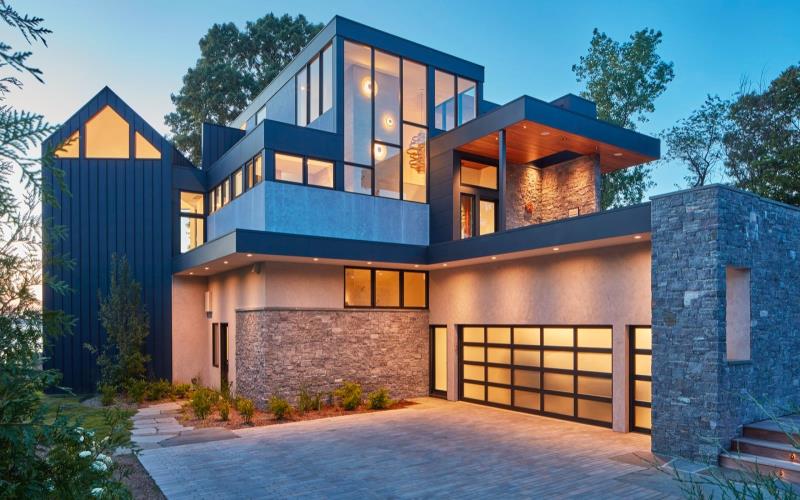
Understanding Design-Build Construction
The design-build construction method has revolutionized the residential projects approach, offering a holistic solution that integrates design and construction phases. This method fundamentally shifts how projects evolve by fostering a unified workflow compared to the segmented nature seen in traditional approaches. Enabling architects, builders, and homeowners to collaborate effectively and design-build ensures that visions are turned into reality efficiently and coherently.
This approach emphasizes pre-construction planning, which is vital for risk mitigation and aligning the project with the client’s objectives and budgetary constraints. By encouraging early collaboration and comprehensive planning, the design-build model paves the way for smoother project execution and innovation.
Advantages of the Design-Build Method
The design-build strategy offers numerous advantages that have led to its growing popularity within the residential construction sector. Chief among these is the integrated project delivery, which centralizes the role of communication, thereby reducing the complexities and potential miscommunications that often plague the traditional design-bid-build process. By consolidating responsibilities, the design-build method streamlines administrative processes, cutting down on unnecessary overheads and fostering a spirit of shared accountability.
One of the standout features of this method is the efficiency in cost management. The tight partnership between design and construction teams since the beginning of the project enables timely adjustments and cost-saving methods, crucial for staying within budget and maximizing resource utilization.
Implementing a design-build approach significantly streamlines the decision-making process for homeowners by keeping all technical and aesthetic discussions under one roof. When local zoning regulations or specific plumbing requirements impact the layout of high-use areas, having an integrated team allows for immediate adjustments without stalling the project timeline. Homeowners who take the time to view details regarding material durability and spatial efficiency often find that early investments in quality fixtures pay dividends in long-term satisfaction. This collaborative environment ensures that every functional update aligns perfectly with the overarching architectural vision. Ultimately, clear communication remains the most vital tool for navigating the complexities of modern residential construction.
Effective Project Planning for Seamless Execution
Project planning forms the cornerstone of every successful design-build project. It begins with the crucial task of outlining project objectives, defining timelines, and efficiently allocating resources. This initial blueprint is a detailed guide that directs efforts and aligns them with pre-determined goals.
Risk management is an intrinsic part of this planning phase, providing early insights into potential challenges that could disrupt the project. By implementing preemptive strategies, teams can minimize threats, ensuring that projects progress smoothly. Furthermore, establishing clear communication channels and a structured decision-making framework is vital for maintaining the project’s trajectory.
Embracing Sustainability in Home Construction
In today’s environmentally-conscious world, incorporating sustainable practices in home construction is more relevant than ever.
This tendency has led to an increase in the need for environmentally friendly materials and energy-efficient design solutions that reduce the impact on the environment and improve the functionality and visual attractiveness of living spaces.
Sustainable construction practices offer manifold benefits, including long-term cost savings through energy efficiency and improved indoor environmental quality, positively affecting occupant health. The design-build methodology supports sustainable initiatives by promoting innovation and flexibility throughout the project lifecycle. Initiatives such as installing solar panels and adopting water conservation technologies are examples of practical applications.
Overcoming Common Challenges in Design-Build Projects
Despite its advantages, the design-build methodology has its challenges. Issues like miscommunication and unforeseen scope changes can lead to delays and increased costs. However, these challenges are mitigated through regular collaboration, open dialogue, and modern collaboration tools and technologies.
Aligning the variegated expertise and viewpoints within a design-build team is another hurdle. However, technological advancements, such as Building Information Modeling (BIM), provide tools to harmonize team dynamics and facilitate visual planning. By addressing these barriers proactively, teams can enhance efficiency and output quality in design-build projects.
Future Trends in Design-Build Construction
As the construction industry evolves, so too does the design-build methodology, with emerging trends poised to redefine the landscape. Advanced technologies, notably virtual and augmented reality tools, are becoming increasingly prevalent. These tools allow stakeholders to visualize projects from inception through completion, thus enhancing customization and decision-making precision.
The future also promises exciting advancements in building materials, including integrating innovative materials and using prefabricated components, which streamline construction processes. As client expectations rise, the industry must embrace these innovations to deliver bespoke, efficient, and sustainable solutions.
Final Thoughts on Design-Build Success
In conclusion, the design-build method represents a significant shift in residential home construction practices. It offers a comprehensive and efficient alternative to conventional methods, enabling faster completion times and more excellent cost management while incorporating the latest innovations in sustainability.
