

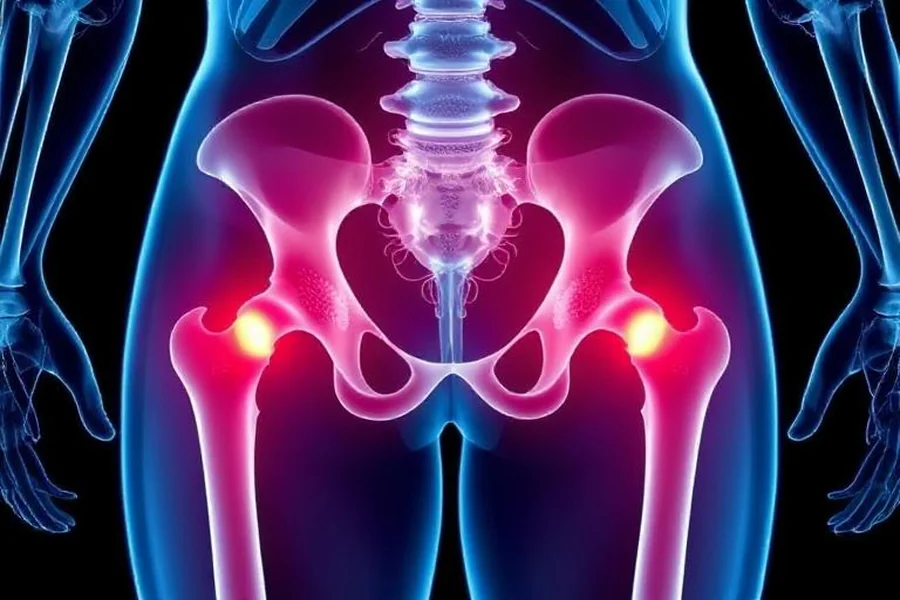
When it comes to the hip, several problems, (dysplasia, for example), engage no one’s attention until discomfort takes life hostage. But here is something that doesn’t get brought up much: hip dysplasia is considerably more common than anyone realises, and, with the latest advances in treatment, such as resurfacing solutions for hips, it gives great hope to patients.
While dysplasia may harm one’s joints without one’s knowledge and build further troubles, knowledge of the hips is the first step for all who consider themselves athletes, parents, or just active people, toward keeping their hips healthy.
Let us learn what hip dysplasia is, its recognition, and possible treatments for it!
What Is Hip Dysplasia?
Imagine the hip joint set in “ball and socket” fashion. In a normal hip, the ball (the head of the thighbone) fits snugly in the socket (the hip bone). In dysplastic conditions, the socket may be shallow or may be misaligned so that the ball does not sit properly; the aberrant maintenance of the hip joint may, in time, beget pain, instability, and even juvenile arthritis.
Whether it’s yourself or perhaps you know someone suffering from hip pain, it might have been misdiagnosed as just soreness; it could be something more like a dysplasia of some sort.
Causes of Hip Dysplasia
While some cases are detected at birth, others may develop gradually. Common causes include:
- Genetics – Hip dysplasia often runs in families.
- Developmental Issues – Babies born breech or swaddled too tightly may develop shallow sockets.
- Lifestyle Factors – Athletes or active adults may aggravate mild dysplasia over time, leading to symptoms later in life.
Symptoms to Watch Out For
You may have a question: how do I know if I have hip dysplasia? Here are some signs:
- A dull or sharp ache in the hip or groin area
- A “clicking” or “catching” sensation in the joint
- Stiffness after sitting too long
- Limping or reduced mobility
- Early arthritis symptoms before age 50
Ask your doctor if hip dysplasia is a possible diagnosis in your case if you notice that your hip pain is worse while exercising or taking long walks. net worth
Treatment Options
Treatments for hip dysplasia have really advanced over the years, and depending on age, severity, and activity level, options available may include:
- Non-Surgical Care – These consist of physical therapy, lifestyle changes, and pain management methods.
- Surgical Approaches – For moderate-to-severe cases, surgical intervention may involve means such as realignment or hip replacement.
- Hip Resurfacing – Resurfacing of the hip joint is one of the best solutions available, especially for the younger and more active population. In resurfacing, the entire joint is not replaced; instead, the damaged surfaces of the hip joint are reshaped and capped with a smooth metal covering. This allows for the preservation of more natural bone than the conventional hip replacement, and also provides better mobility.
Conclusion
Hip dysplasia doesn’t have to automatically redefine an endpoint for movement or a healthy life. Instead, by recognising specific symptoms early, you can intervene immediately with treatment options, especially advanced resurfacing solutions for hips, which are designed to sustain and improve mobility while reducing pain and protecting joint health for many years.
So if hip pain is slowing you down, what are you waiting for? Talk to a specialist today, explore your options – you could find that your right treatment might be closer than you think!
