


Chloromethane is a small molecule with one carbon, three hydrogens and one chlorine. It turns up in chemistry homework constantly, and for good reason. It looks almost the same as methane, yet it behaves quite differently, and the cause is a single swapped atom.
So is CH3Cl polar? Yes. It’s a polar molecule with a dipole moment of about 1.9 debye, which is in the same range as water. To see why, you need two facts: which bonds share electrons unevenly, and whether the shape of the molecule lets those uneven pulls cancel out.
Start with the bonds
Electronegativity tells you how strongly an atom attracts shared electrons. On the Pauling scale, chlorine sits at 3.16, carbon at 2.55 and hydrogen at 2.20. The gap between carbon and chlorine is 0.61, so the C–Cl bond is clearly polar. Chlorine drags the electrons its way and takes on a slight negative charge, while carbon is left slightly positive.
The C–H bonds have a much smaller gap, only 0.35. Most courses treat them as close to nonpolar. They’re not perfectly even, but their small pulls point from hydrogen toward carbon, which means they push in the same general direction as the chlorine does. They aren’t working against it.
Then look at the shape
Carbon has four bonding pairs and no lone pairs, so VSEPR predicts a tetrahedral arrangement. Picture a camera tripod with a pole sticking straight up. The three hydrogens are the feet, the carbon is the joint and the chlorine is at the top of the pole. The angles come out close to 109.5 degrees, although the real ones differ from that by a degree or so because chlorine is larger than hydrogen.
Now imagine each bond as a little arrow pointing at the more electronegative atom. The big arrow points up to chlorine. There’s no second chlorine below to pull the other way. Nothing cancels, so the molecule has a negative end and a positive end. That’s all “polar” means.
Comparing it with its relatives
The family of chlorinated methanes is a lovely set of examples. Methane, CH4, has four identical bonds, and its arrows cancel completely. It’s nonpolar. Swap one hydrogen and you get CH3Cl, polar. Swap two for dichloromethane, CH2Cl2, and it’s still polar. Chloroform, CHCl3, is polar too, though less so than the first two.
Then comes the surprise. Carbon tetrachloride, CCl4, has four polar bonds and is nonpolar overall. With a chlorine at every corner, the four pulls balance exactly, like a tug-of-war with equal teams on four ropes. If you remember only one lesson from this group, take that one: polar bonds don’t guarantee a polar molecule. Symmetry gets a vote.
What polarity changes
You can see the effect in boiling points. Methane boils at about −161 °C, while chloromethane boils near −24 °C. Part of that jump comes from chlorine having more electrons, which strengthens London dispersion forces. The rest comes from dipole-dipole attraction, where the positive end of one molecule lines up with the negative end of the next.
One thing it can’t do is hydrogen bond with itself. There are hydrogens present, but they’re attached to carbon, and that doesn’t count. You’d need them on nitrogen, oxygen or fluorine. Students lose marks on this all the time, so check what each hydrogen is actually bonded to before writing it down.
A mistake worth avoiding
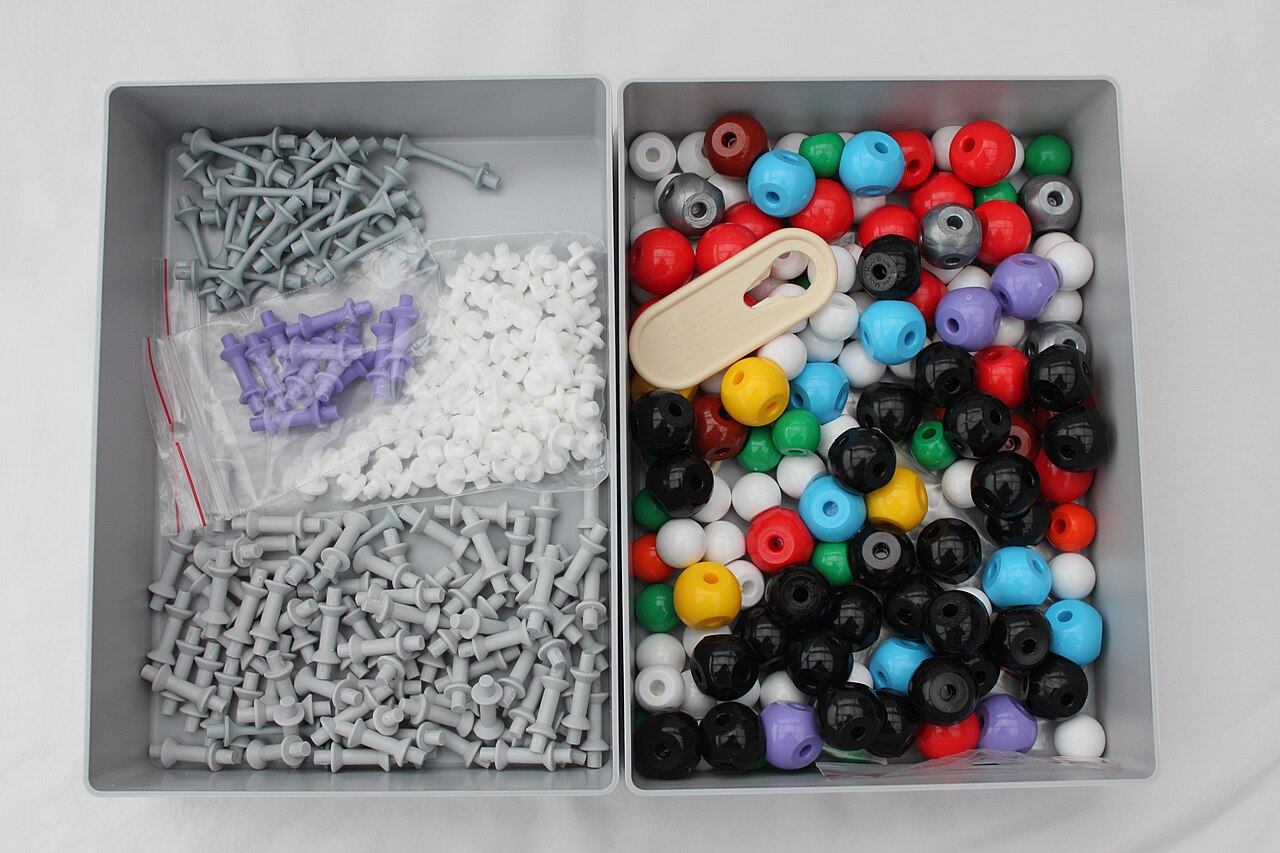
Flat Lewis structures can fool you. On paper, you may see chlorine drawn at the right with hydrogens above, below and left, and it’s tempting to think opposite arrows cancel. Rotate the drawing in your head into three dimensions before you decide anything. A cheap model kit, or four toothpicks in a ball of clay, makes it obvious.
If you’re revising a string of these molecules, the side-by-side explanations at compairro.com can help you check your reasoning. Try each one by hand first. Bonds, then shape, then arrows: that order works for chloromethane, and it’ll work for nearly everything else on the worksheet.
