


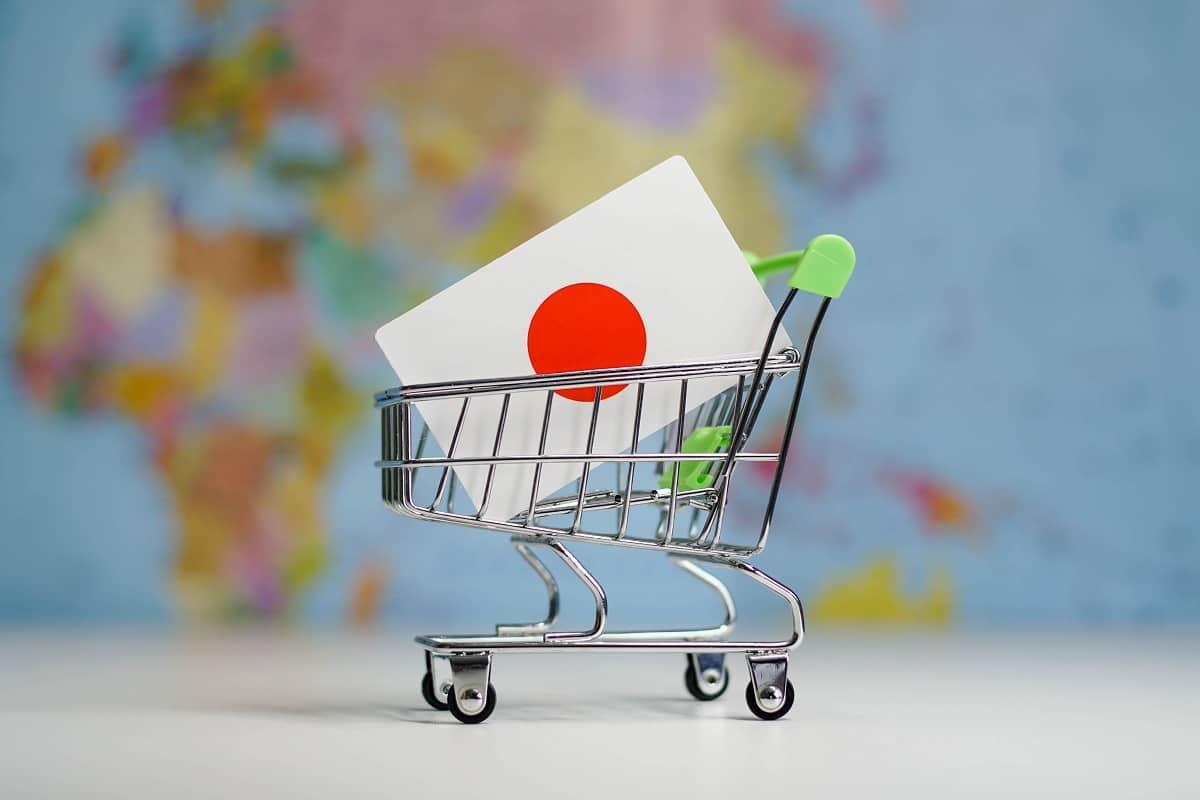
Access to Japanese products has expanded, but the practical barriers have not disappeared. A retailer may not accept an overseas card, a marketplace seller may deliver only within Japan, and several purchases may arrive on different dates. International transport then introduces packaging, customs, and tracking decisions. A professional import provider simplifies the process by connecting these activities, giving the buyer one defined route from purchase request to delivery.
Purchasing Support Reduces Friction
The process often begins with a product link and precise instructions for model, colour, size, condition, quantity, and maximum price. A service can confirm whether the listing is still available, explain identifiable domestic charges, and purchase under agreed terms. This is particularly useful for shops that require Japanese payment arrangements or communication. The customer still makes the product decision, while the provider helps execute it within the local market.
Clear approval is essential. Substitutions, price changes, back orders, and seller questions should not be resolved through guesswork. A professional workflow records what the customer authorised and communicates when a new decision is required. Receipts and order references should remain linked to the customer account so that later warehouse and shipping activity can be traced to the original purchase.
A Japanese Receiving Address Creates Control
Domestic sellers usually provide tracking only to the Japanese destination. At the receiving point, parcels can be identified, weighed, measured, and matched with order information. Basic photographs or checks may reveal visible damage, an incorrect model, or a missing package. Discovering a problem while the goods are still in Japan gives the buyer a better opportunity to contact the seller or arrange a domestic return.
Storage and consolidation rules should be transparent. Customers need to know how long goods can wait, whether free storage applies, and what happens when a pre-order delays the group. Combining parcels can improve shipping efficiency, but the best choice depends on release dates, size, fragility, value, and urgency. The warehouse should act on explicit instructions rather than simply place every item into the smallest possible carton.
International Shipping Requires Product Knowledge
Transport planning considers actual and volumetric weight, destination, deadline, value, and restrictions. Batteries, liquids, aerosols, food, cosmetics, medicines, and other controlled categories may change the available method. Strong documentation is equally important. Accurate descriptions, quantities, values, and recipient details support customs processing and make the declared shipment consistent with the purchase records.
A reliable Japan import service บริการนำเข้าสินค้าจากญี่ปุ่น should explain its rates, prohibited items, optional protection, claims process, and the point at which taxes or local delivery charges may arise. It should not promise that every product can move without review. Professionalism is shown by identifying risks early, presenting realistic choices, and maintaining communication when customs, sellers, or carriers request additional information.
The Benefit Is a Connected Process
Using separate providers for payment, receiving, repacking, and international delivery can work, but it requires the customer to transfer information accurately between each party. An integrated service reduces these handoffs. One order history can show the purchase, arrival, parcel decision, dispatch, and tracking. This visibility is valuable for individual customers and even more important for businesses managing repeat inventory.
The best provider does not remove every cost or uncertainty from international trade. Instead, it makes responsibilities visible and decisions manageable. Buyers should compare communication quality, fee transparency, warehouse practices, category experience, and after-dispatch support. When those elements are strong, access to Japanese stores and marketplaces becomes less fragmented, allowing the customer to focus on choosing the right products rather than coordinating every logistical step alone.
Final Perspective
Before choosing a provider, a customer can test the quality of the process with a small, straightforward order. The clarity of the quotation, accuracy of warehouse updates, care in packaging, and usefulness of tracking reveal more than broad promotional claims. Questions should receive specific answers, especially where restrictions or additional charges are possible. A successful trial creates practical evidence and allows both sides to establish an efficient working method before higher-value or more complex purchases are introduced.
