


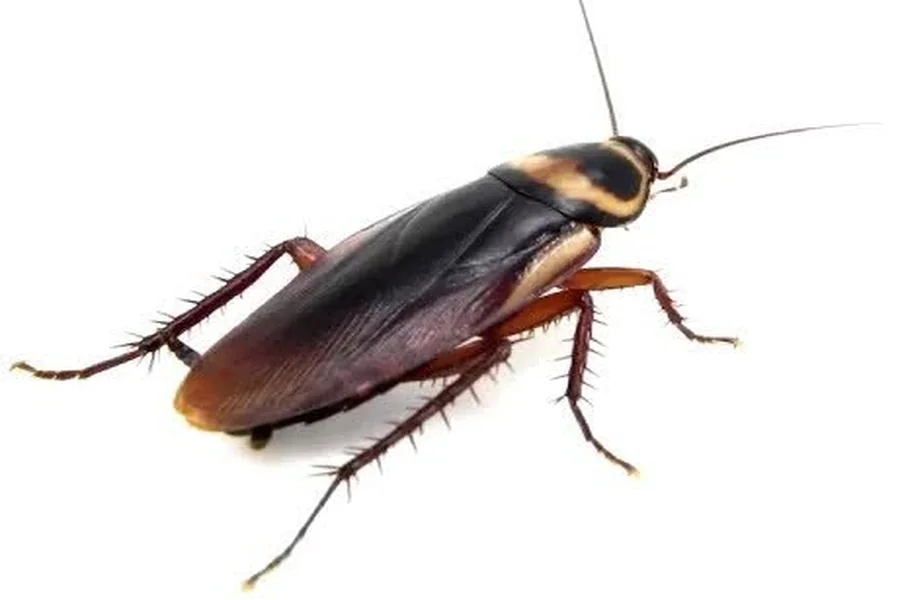
A roach sighting in an apartment can quickly become uncomfortable. One appears near the kitchen sink, and a few days later, there is activity around the bathroom drain or laundry area.
For tenants, the first question is simple: “Is this my responsibility, or should the landlord handle it?” For landlords and property managers, the question matters too, because roaches can spread between units and become harder to control if the source is not found early.
The answer is not always one-sided. Responsibility depends on the lease, when the problem started, where the activity is coming from, and whether it is linked to property conditions, tenant habits, or shared areas.
Why Roaches Are Common in Cayman Apartments
Cayman’s warm, humid climate gives roaches the conditions they like. In apartment buildings, the issue can be more complicated because units sit close together. A roach seen in one apartment may be coming from a kitchen cabinet, but it could also be moving through a drain, wall gap, rubbish room, laundry room, or neighbouring unit. That is why guessing often leads to frustration. A spray may kill the roach you can see, but it does not always explain where the activity began.
When It May Be the Landlord’s Responsibility
Landlords and property managers usually need to take the lead when the problem appears linked to the building, shared spaces, or conditions that existed before the tenant moved in.
This may include roach activity in common areas, rubbish rooms, drains, wall gaps, shared laundry spaces, maintenance rooms, or multiple apartments at the same time. It may also include issues caused by leaks, poor drainage, damaged screens, gaps around pipes, or structural openings.
If a tenant reports roaches shortly after moving in, it is worth checking whether the activity was already present. A professional inspection can help separate a pre-existing issue from something that developed later.
When It May Be the Tenant’s Responsibility
Tenants also play an important role in prevention. Even a clean apartment can get roaches, but food, moisture, and clutter make it easier for them to stay.
Tenant responsibility may come into the picture when activity is linked to uncovered food, dirty dishes left overnight, overflowing bins, grease buildup, pet food left out, damp mop storage, heavy clutter, or cardboard boxes kept for long periods.
The goal is not to blame the tenant. It is to remove the things roaches need to survive. Habits like sealing food, emptying bins, drying wet areas, and reporting leaks quickly can make a difference.
What Tenants Should Do First
If you see roaches, do not wait until the problem becomes obvious. Take photos, note where and when you saw activity, check nearby drains and cabinets, and report it to the landlord or property manager in writing. Avoid spraying every visible area before an inspection, especially if activity is recurring. The location of sightings can help identify where roaches are entering or hiding.
If you are searching for a roach exterminator near me because sightings keep returning, it is better to arrange an inspection than treat each roach as a separate event.
What Landlords and Property Managers Should Check
For landlords, the first step is to find out whether this is a single-unit issue or a building pattern. Check rubbish areas, drains, laundry rooms, service spaces, pipe openings, common walls, storage rooms, and nearby units if needed. Look for leaks, gaps under doors, damaged screens, and moisture around cabinets or appliances.
Working with a professional roach exterminator for Cayman properties can help identify the species, locate likely hiding areas, and recommend treatment based on the source.
Why Roaches and Rodents Sometimes Overlap
Roaches are not the only pests that respond to food, water, and shelter. If a property has open rubbish areas, gaps around pipes, storage clutter, or food waste, rodents may also become a concern.
Droppings, scratching sounds, chewed packaging, or activity near bins may point to a wider issue. In that case, a mice exterminator service in Cayman may be needed alongside roach control.
How Pestkil Handles Roach Problems in Cayman Apartments
Finding the source is the first step in Pestkil’s roach management strategy, rather than only treating the roaches that are visible. Checking drains, pipe gaps, appliance areas, trash rooms, shared walls, laundry rooms, and adjacent flats may be necessary in apartments.
Since 1982, they have safeguarded homes and businesses in Cayman. As members of the NPMA, they adhere to IPM standards and use skilled technicians who customize treatments for each property rather than using a one-size-fits-all approach.
The Bottom Line
In Cayman apartments, roach responsibility is rarely about one simple answer. The lease, the timing, the source, and the condition of the property all matter.
Tenants should keep the apartment clean, manage food and rubbish, reduce moisture, and report sightings early. Landlords and property managers should address building issues, shared spaces, leaks, entry points, and recurring activity across units.
If the source is unclear, Pestkil can inspect the apartment or wider property, identify what is driving the activity, and recommend the right next step. The sooner the pattern is understood, the easier it is to stop roaches from becoming part of daily apartment life.
FAQs
Can a tenant be blamed for roaches straight away?
Not always. Roaches can come from shared areas, drains, wall gaps, nearby units, or building conditions. The source needs to be checked before assuming where the responsibility sits.
Can a clean apartment still have roaches?
Yes. A clean unit can still have activity if roaches are entering through plumbing, rubbish areas, gaps around pipes, or from another part of the building.
Should a tenant report a single roach?
Yes, especially in an apartment building. One sighting may not mean an infestation, but reporting it early helps the landlord or property manager spot a pattern before it spreads.
Why do roaches return after spraying?
Because the visible roaches are only part of the issue. If the hiding place, moisture source, entry point, or shared building problem remains, roaches can keep coming back.
