


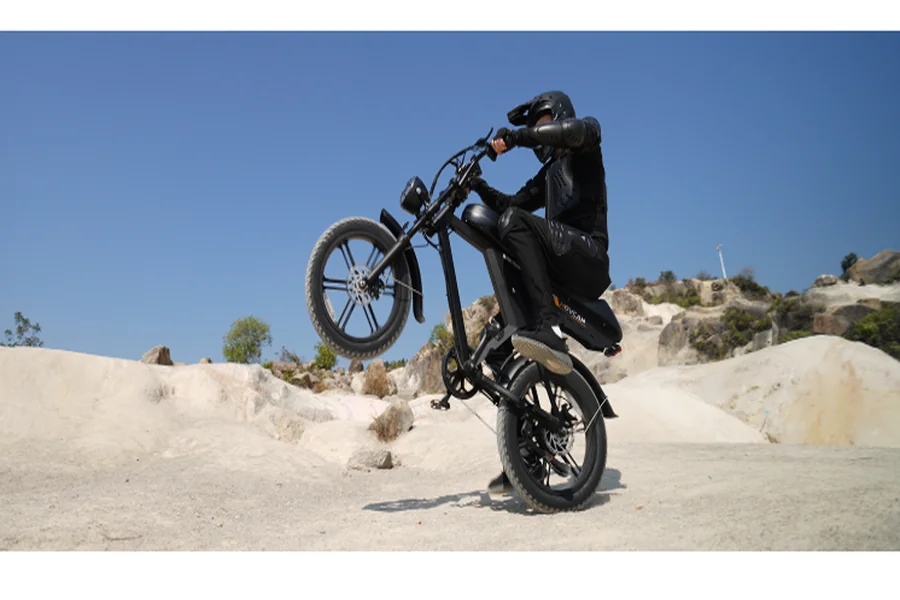
The integration of digital technology with electric propulsion has transformed modern cycling from a purely mechanical pursuit into a data-driven performance activity. Today’s electric bicycles represent sophisticated performance platforms incorporating advanced sensors, connectivity, and analytical capabilities that—when properly leveraged—can dramatically enhance rider performance, efficiency, and progression. This comprehensive analysis examines the technological ecosystem surrounding contemporary e-cycling and provides implementation strategies for maximizing performance through digital integration.
Power Management: The Fundamental Interface
The cornerstone of performance-oriented e-cycling centers on sophisticated power management—significantly more complex than simplistic assistance levels found on basic systems:
Advanced Power Allocation Algorithms: Premium electric bicycles now implement dynamic power delivery systems that:
- Analyze pedal force curves identifying inefficient power application
- Deliver precisely calibrated assistance addressing individual biomechanical weak points
- Compensate for fatigue-induced technique degradation during extended rides
- Adapt to terrain variations without rider intervention
Implementation Strategy: To maximize these capabilities:
- Establish personalized baseline metrics through controlled testing protocols
- Conduct specific interval training isolating biomechanical inefficiencies
- Utilize progressive power reduction protocols building natural capabilities
- Implement systematic A/B testing comparing different assistance configurations
These approaches transform basic assistance into sophisticated training tools enhancing both electric and non-electric riding capabilities. For those considering major investments, exploring dirt bike financing options facilitates access to these advanced systems without prohibitive upfront costs.
Performance Tracking Ecosystem: Beyond Basic Metrics
The integration of comprehensive sensor arrays with sophisticated analysis platforms creates unprecedented performance visibility:
Multi-Parameter Monitoring Systems: Advanced platforms track:
- Power output relationships (rider vs. motor) with 1-second sampling rates
- Cadence efficiency correlations across varied terrain profiles
- Heart rate response curves under different assistance protocols
- Suspension activity optimizing dynamic riding position adjustments
Implementation Framework: Maximizing analytical benefits requires specific methodologies:
- Establish controlled testing routes for consistent data collection
- Develop performance baselines using steady-state protocols
- Implement systematic variable isolation testing
- Generate performance improvement hypotheses based on collected data
- Validate hypotheses through targeted intervention protocols
This methodical approach transforms random riding into structured progression, with technology providing objective validation of improvement rather than subjective perception.
Navigation Intelligence: Beyond Basic Routing
Contemporary navigation systems extend far beyond simple directional guidance, incorporating sophisticated terrain analysis and performance prediction:
Terrain-Specific Intelligence: Advanced platforms now provide:
- Surface composition analysis affecting rolling resistance and power requirements
- Gradient mapping with power output predictions
- Energy consumption modeling with range estimation
- Optimal gearing recommendations for efficiency maximization
Real-Time Adaptation Protocols: Implementing these capabilities requires:
- Pre-ride route analysis identifying critical decision points
- Battery consumption budgeting across route segments
- Establishment of power reserves for unexpected conditions
- Development of alternative route options with energy implications
For urban commuters with space constraints, the best folding electric bike options now incorporate these navigation capabilities while maintaining portability—offering sophisticated performance in compact packages.
Biomechanical Optimization: Sensor-Driven Efficiency
The integration of wearable sensor technology with electric assistance creates unprecedented opportunities for technique refinement:
Distributed Sensor Networks: Contemporary systems utilize:
- Inertial measurement units tracking body position throughout pedal stroke
- Force vector analysis throughout power application phase
- Joint angle optimization during varied cycling conditions
- Asymmetry identification through comparative limb analysis
Implementation Methodology: Translating data into performance requires:
- Baseline biomechanical assessment establishing individual movement signatures
- Identification of inefficient movement patterns through comparative analysis
- Targeted technique modifications with quantitative validation
- Progressive adaptation protocols ensuring sustainable improvement
This integration transforms subjective “feel” into objective improvement metrics, accelerating skill development through precise feedback mechanisms.
Cognitive Enhancement: The Mental Performance Platform
Beyond physical performance, contemporary cycling technology addresses the critical cognitive components of optimal riding:
Attention Distribution Systems: Advanced head-up displays now provide:
- Selective information presentation based on situational requirements
- Critical data highlighting during decision points
- Visual attention guidance through augmented reality overlays
- Cognitive load management through adaptive information density
Implementation Strategy: Optimizing cognitive enhancement requires:
- Selective information prioritization based on individual requirements
- Systematic complexity progression developing attentional capacity
- Controlled distraction management training
- Synchronization of physical and cognitive loading patterns
These approaches extend performance enhancement beyond purely physical domains into the critical mental components of optimal cycling.
Integration Strategy: The Holistic Approach
Maximizing technological benefits requires systematic integration rather than isolated implementation:
-
Establish Performance Baseline:
- Conduct comprehensive assessment across all performance domains
- Document specific limiters across physical and cognitive parameters
- Develop individualized improvement priorities
-
Implement Targeted Interventions:
- Select specific technological tools addressing primary limiters
- Establish clear metric improvement targets
- Create progressive implementation schedule
-
Validation Protocol:
- Conduct regular performance reassessment
- Quantify improvement trajectory
- Refine intervention strategy based on response patterns
-
Long-Term Progression Framework:
- Develop periodized technology utilization schedule
- Balance assisted and unassisted training stimulus
- Create technology dependency reduction pathways
Conclusion: Technology as Accelerant Rather than Replacement
The sophisticated technology ecosystem surrounding modern electric bicycles provides unprecedented opportunities for performance enhancement—yet requires thoughtful implementation to avoid dependency. By utilizing these tools as accelerants for natural capability development rather than replacements, riders can leverage digital assistance to achieve performance levels otherwise unattainable within conventional progression timeframes.
The intelligent integration of technology with traditional cycling fundamentals represents not the abandonment of cycling’s heritage but rather its logical evolution—extending human capabilities through thoughtful augmentation while maintaining the essential characteristics that define the cycling experience.
