


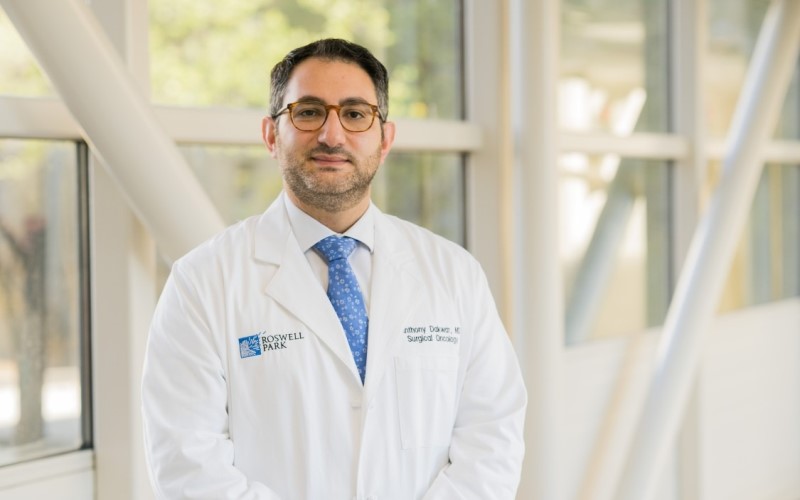
A colon doctor is also known as a colorectal surgeon See more: https://alpinesurgical.sg/dr-aaron-poh/. They can also be referred to as proctologists and they specialize in treating conditions that affect the colon, rectum, and anus.
Colon doctors diagnose and treat issues like colorectal cancer, inflammatory bowel disease, hemorrhoids, and anal fissures. You can also check out godoctormagazine.com for more details on this topic. So, you might be referred to a colon doctor in Singapore if you experience symptoms associated with the issues above for example, rectal bleeding, changes in bowel habits, or abdominal pain.
Importantly, you may be advised to see a qualified colon doctor if you need screening for colorectal cancer. Colon doctors perform procedures like colonoscopies, which allow them to examine the colon for abnormalities and take biopsies if needed.
So, they play a crucial role in maintaining colorectal health. In today’s piece, we will explain to you what to expect when you visit a colon doctor. Most importantly, we will explain what questions to ask your colon doctor. Keep reading!
What can I expect at my First Colon Doctor’s Visit?
First things first, regular visits to the colon doctors for colonoscopies begin at age 45. So, if you’ve just turned 45 and making arrangements for your first visit to a colonoscopy doctor in Singapore, it can feel a bit overwhelming.
The same applies if you’ve just been recommended an appointment with a colonoscopy doctor for the first time which explains why you may wonder; what can I expect at my first colon doctor’s visit? Here’s a quick summary of what to expect;
· History Review and Physical Examination
Your first visit to a colonoscopy doctor in Singapore will likely begin with a thorough review of your medical history. The doctor will ask about your symptoms and a family history of colon issues.
They will also ask about any prior colonoscopies or surgeries you’ve had. Also, expect questions about your diet, exercise habits, and any medications you’re taking.
Following this, a physical exam may be conducted. It may include checking your vital signs and performing palpation of your abdomen to check for any abnormalities.
· Discussion of Symptoms
If you’re visiting the doctor about symptoms that had you concerned, you can also expect them to ask you to describe your symptoms in detail. They may inquire about the frequency and severity of any abdominal pain, changes in bowel habits, presence of blood in your stool, or unexplained weight loss.
This information helps the doctor understand your condition better and determine the next steps for diagnosis and treatment. So, be sure to describe the symptoms to the best of your ability. It may actually help to note them down in the days leading to your appointment to ensure that you do not forget about any of the symptoms ddyfa.
· Possible Tests and Procedures
Now, based on your symptoms and medical history, your colon doctor in Singapore may recommend further tests or procedures. A common procedure for colon health evaluation is a colonoscopy.
This procedure involves the insertion of a thin, flexible tube that is fitted with a camera into the colon to check for abnormalities. Other tests may include a fecal occult blood test, a sigmoidoscopy, or a CT colonography. These tests help the doctor diagnose conditions such as colorectal cancer, polyps, or inflammatory bowel disease.
· Discussion of Findings and Treatment Plan
After the tests are completed, the doctor will discuss their findings with you. If any abnormalities are detected, the doctor will explain the results.
Most importantly, they will also discuss the recommended treatment plan. This may include further testing, medication, lifestyle changes, or surgery. It all depends on the diagnosis, really.
· Follow-Up and Monitoring
After your initial visit and any necessary treatments, your doctor may schedule follow-up appointments. The aim of these follow-up appointments will be to monitor your condition.
So, they should not be as thorough as the first appointment. These appointments are important for tracking your progress, adjusting your treatment plan if needed, and ensuring that you maintain good colon health.
What Should I ask my Colon Doctor?
While your first visit to a colon doctor may be tinged with a little anxiety, you will still want to ask questions to help you understand your condition, treatment options and most importantly, how to maintain your colon health. Asking the right questions also ensures that you’re best placed to make informed decisions about your health and that you receive the best possible care. That said, here are six important questions to ask your colon doctor;
Questions to ask about Colonoscopy:
- Preparation Process: Ask about the specific steps involved in preparing for a colonoscopy. Most specifically, be sure to get clarity on dietary restrictions and medication instructions.
- Procedure Details: Inquire about what to expect during the colonoscopy procedure. For example, you can ask how long it will take, whether sedation will be used, and any potential discomfort or risks involved.
Questions to ask about Colorectal Cancer:
- Risk Factors: Discuss your personal risk factors for colorectal cancer like age, family history, and lifestyle factors.
- Symptoms and Warning Signs: Ask about the signs and symptoms of colorectal cancer to watch for. The most notable ones though range from changes in bowel habits to blood in the stool, abdominal pain, and unexplained weight loss.
Questions about Treatment Options:
- Available Treatment: Inquire about the various treatment options available for colorectal conditions, such as medications, surgery, chemotherapy, and radiation therapy. With an understanding of your treatment options, you will find it easier to make informed decisions about your care.
- Side Effects and Risks: Discuss the potential side effects and risks associated with each treatment option. Also, ask about how these risks can be managed or minimized.
Family History:
- Impact on Risk: Ask your colonoscopy doctor in Singapore how your family history of colorectal conditions can impact your own risk. Also, seek clarity on what steps you can take to mitigate this risk if any.
- Genetic Testing: Inquire about the role of genetic testing in assessing your risk of colorectal cancer and other hereditary conditions.
Diet and Lifestyle:
- Nutritional Guidance: A healthy diet can play a crucial role in preventing colorectal conditions. So, ask for specific dietary recommendations to promote colon health. These can range from increasing fiber intake to staying hydrated and limiting red and processed meats.
- Exercise Recommendations: Not to forget, be sure to inquire about the benefits of regular exercise for colon health and how much physical activity is recommended. This is important because maintaining a healthy weight and staying active can reduce your risk of colorectal cancer.
In Closing
Asking the right questions can help you have a more productive and informed discussion with your colon doctor. It could be the key to the better outcomes for your colon health that you really need. So, a good colon doctor in Singapore shouldn’t deflect your questions but take time to address them.
Are you looking to schedule an appointment with a colon doctor in Singapore? Get in touch with Alpine Surgical Practice to get a hold of a board-certified provider. Get in touch now;
Alpine Surgical Practice – Colorectal Screening | Colonoscopy | Piles & Haemorrhoids Surgery | Gallstones Removal
MOUNT ELIZABETH (ORCHARD)
3 Mount Elizabeth #14-06
Mount Elizabeth Medical Centre
Singapore 228510
+65 6322 7323
+65 8875 0080
+65 6602 8086
PARKWAY EAST
319 Joo Chiat Place #04-07
Singapore 427989
+65 6589 8160
+65 8875 2149
+65 6871 8870
