

When life gets busy, it’s easy to let bills slip through the cracks. Maybe you assume everything’s the same as last month, or you trust autopay to handle it all. But the truth is, regularly reviewing your bills can save you money and headaches. Unexpected fee increases, promotional rates that expire, or even billing errors can quietly drain your budget if you’re not paying attention. This simple habit can be a game changer for managing your finances effectively. If you’re juggling debt, combining bill tracking with debt relief programs can make your financial journey smoother. Let’s explore why keeping a close eye on your bills matters more than you might think.
Spotting Sneaky Fee Increases Early
Companies often offer tempting promotional rates on services like cable, internet, or phone plans. But these deals don’t last forever. Once the promo period ends, your monthly bill can jump without much warning.
By regularly reviewing your bills, you catch these changes as soon as they happen. That early heads-up gives you the power to shop around for better deals or negotiate with your provider. It’s much better than being surprised by a higher bill when you’re least expecting it.
Catching Billing Errors Before They Add Up
No system is perfect, and billing errors happen more often than you might think. Maybe you were charged twice for a service, billed for something you didn’t order, or your usage was miscalculated.
Reviewing your bills carefully lets you spot mistakes quickly so you can dispute them and get refunds. Over time, those small errors can add up to hundreds of dollars if left unchecked.
Keeping Your Expenses Under Control
When you take a close look at your bills regularly, you become more aware of where your money is going. This awareness can help you identify services or subscriptions that no longer serve you or that you simply don’t need.
For example, you might realize you’re paying for premium channels you never watch or multiple streaming services with overlapping content. Cutting these extras can free up cash to put toward savings, debt repayment, or other priorities.
Avoiding Late Fees and Protecting Your Credit
Missing a bill payment often means late fees and could even hurt your credit score. When you track your bills, you’re less likely to forget payment due dates.
Setting reminders or using apps to organize your bills can help you stay on schedule. Paying bills on time protects your credit and saves you from unnecessary fees.
Integrating Bill Tracking With Debt Relief Programs
If you’re struggling with debt, knowing exactly what you owe each month is crucial. Debt relief programs often start by helping you get a handle on your bills and debts, creating a clear budget.
By tracking your bills, you ensure you don’t overlook payments that could sabotage your progress. Combining bill management with professional debt relief guidance sets a strong foundation for financial recovery.
How to Make Bill Tracking Easy and Effective
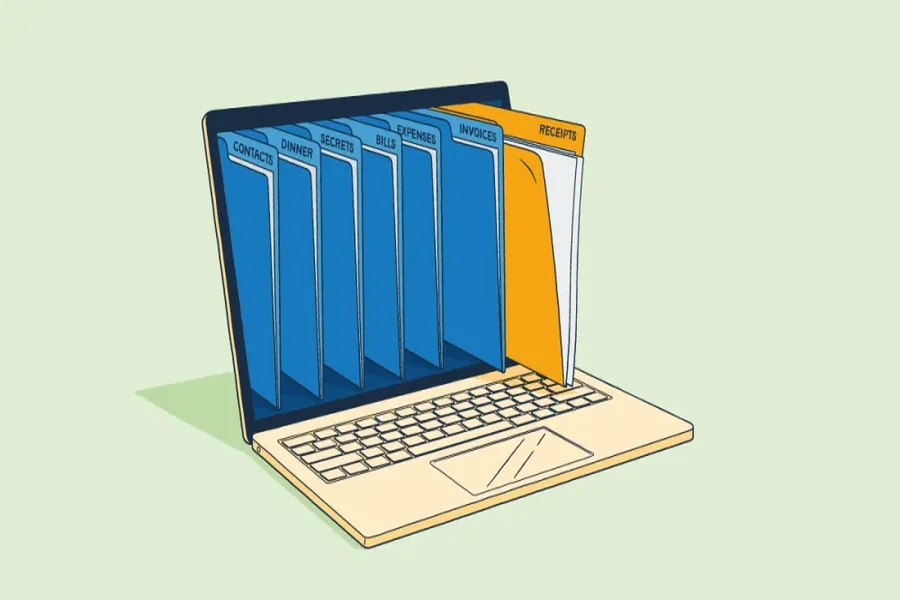
- Set up a dedicated folder—digital or physical—for bills and statements.
- Review all bills as soon as you receive them or when they appear online.
- Highlight any changes, fees, or unfamiliar charges.
- Use budgeting apps or calendars to keep due dates visible.
- Consider consolidating services where possible to simplify payments.
Why Consistency Beats Perfection
You don’t need to obsess over every penny, but consistent review—monthly or bi-weekly—builds a healthy money habit.
Even spending just 10 minutes reviewing bills can prevent costly surprises and help you stay in control.
Encouraging Family or Household Participation
If you share expenses with family or roommates, make bill tracking a shared responsibility. Open communication about bills and payments prevents confusion and conflict.
Having everyone involved helps catch issues early and encourages teamwork around financial goals.
In Conclusion: Bill Tracking Is a Simple Yet Powerful Tool
Keeping track of your bills is about more than avoiding late fees—it’s about being proactive with your money. Spotting fee increases, catching errors, managing expenses, and protecting your credit all become easier when you pay attention.
Pairing this habit with debt relief programs, if needed, enhances your financial stability.
By making bill tracking a regular part of your routine, you gain peace of mind and build a stronger foundation for your financial future. It’s a small effort with big rewards.
